Buying a bridal outfit is exciting and overwhelming. Banarasi wedding lehengas have become a popular choice among modern brides, not just for their beauty, but for the heritage, craftsmanship, and cultural richness they represent. Many brides step into the process without fully understanding the finer details, which can make a big difference later.
If you’re planning your bridal look, knowing how to choose the right elements can make shopping much easier. Here are seven things you should know before finalizing your wedding lehenga.
1. Fabric Choice Makes a Big Difference
Fabric affects both comfort and overall appearance. Banarasi wedding lehengas are available in fabrics like Katan silk, satin silk, organza, and georgette. Each fabric offers a different look and feel.
If you want a rich and structured silhouette, Katan silk is a great choice. If you prefer something lighter and easier to carry for long hours, organza or georgette works better. The right fabric depends on your ceremony, season, and how long you’ll be wearing the outfit.
Trying the fabric before purchase is essential. What looks grand can sometimes feel heavy during movement. Choosing wisely ensures your lehenga feels as good as it looks.
2. Embroidery and Detailing Differ Greatly
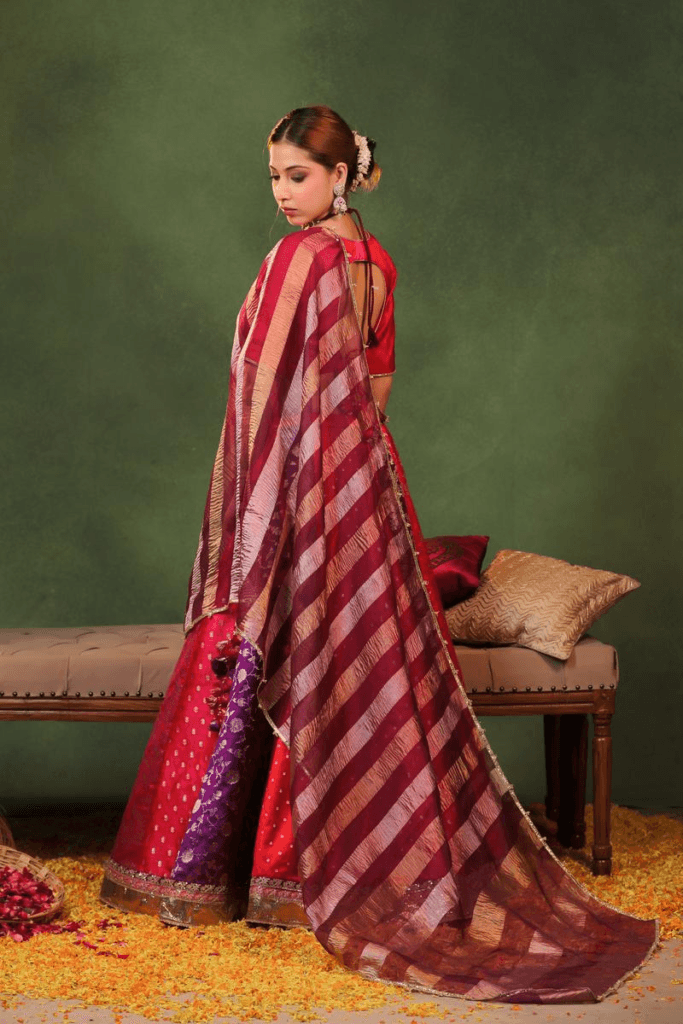
Embroidery defines the overall appeal of your lehenga. Some designs feature meaningful traditional motifs, while others focus on zari, beads, or thread work.
When choosing, consider both the design and the weight of the embroidery. Heavier work adds richness but can limit movement, while lighter embroidery feels more comfortable. Machine work is simpler, whereas handwork brings more depth and detail.
Brides often overlook small differences, but these details matter. Your bridal photos will capture every element closely, so inspecting embroidery carefully helps you avoid unexpected surprises.
3. Color Is More Than Preference
Color plays a major role in how your lehenga looks in photos and suits the occasion. Red continues to symbolize tradition, prosperity, and celebration, while modern brides are also exploring pastels and softer tones.
Yellow and brighter shades are usually preferred for pre-wedding functions like Haldi rather than the main bridal lehenga. Shades like ivory, blush, or metallic tones can create a more contemporary look.
Lighting also affects how colors appear. Always check your lehenga in both natural and artificial light. The right color should complement your personality, the ceremony, and the overall wedding theme.
4. Occasion and Styling Should Guide Your Choice
Choosing a lehenga is not just about design; it’s also about where and how you’ll wear it. A traditional wedding ceremony may call for rich fabrics and classic colors, while a reception might suit lighter, more modern styles.
You can take inspiration from celebrity bridal looks, but it’s important to adapt them to your comfort and setting. Instead of following trends blindly, focus on what works best for you.
When you align your outfit with the occasion, it naturally enhances your overall presence and confidence.
5. Dupattas and Accessories Complete Looks
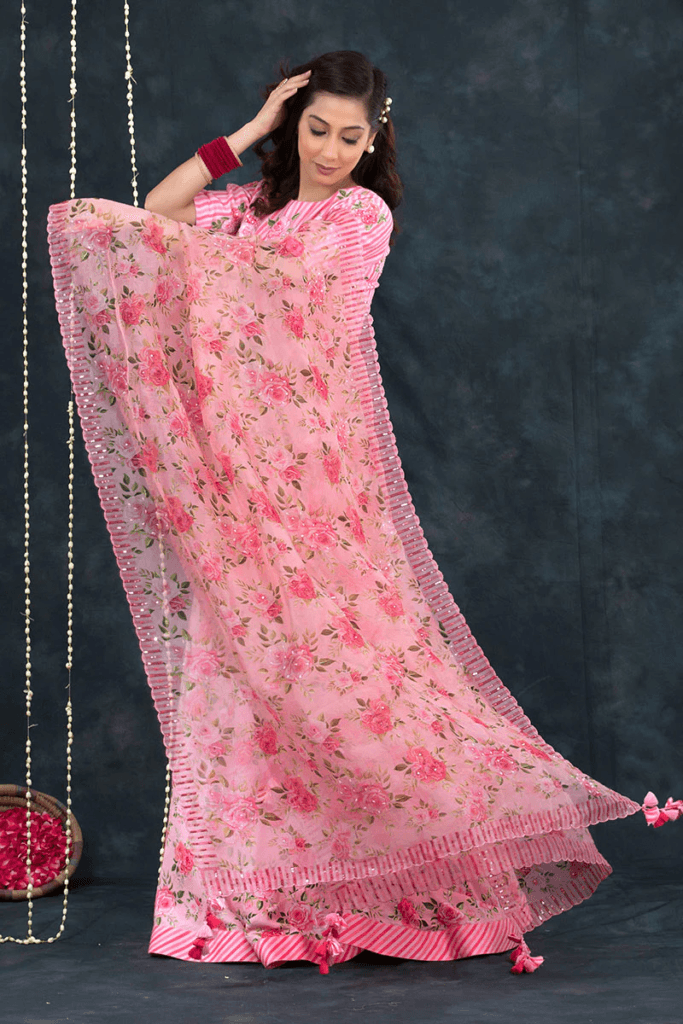
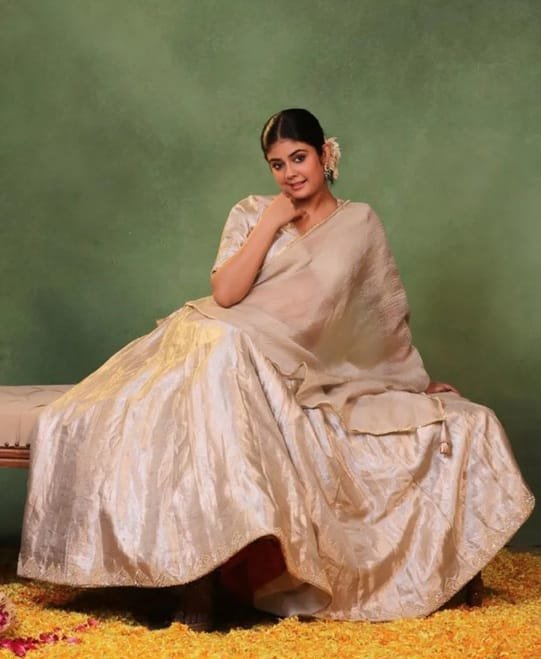
The dupatta frames your entire bridal outfit. A tissue silk dupatta feels light and soft, while embroidered or zari-striped dupattas create a more traditional look. Organza drapes beautifully and adds elegance.
Coordinating your dupatta with the blouse and lehenga is essential. Accessories should complement the outfit rather than overpower it.
Brides often underestimate the impact of draping. The way you style your dupatta can change your entire look in photos and during the ceremony. Thoughtful coordination ensures a balanced and polished appearance.
6. Understand the Lehenga’s Structure
The structure of your lehenga determines how it looks and feels when worn. The flare depends on panels or kalis, more kalis create a fuller silhouette, while fewer panels give a smoother fall.
Full skirts create a grand appearance but may restrict movement if too layered. Simpler cuts allow easier walking and sitting.
Understanding how the lehenga is constructed helps you choose a style that balances comfort, movement, and visual appeal. Trying different silhouettes beforehand can make a big difference.
7. Early Planning and Trial Are Crucial
Lehenga selection involves more than just choosing a design. Alterations, blouse fittings, and accessory coordination all take time.
You should ideally finalize your lehenga at least 2–3 months before the wedding. This gives you enough time for fittings, adjustments, and any last-minute changes. It’s also helpful to keep extra time for stitching or sizing corrections.
Trying your complete look in advance, including draping and accessories, reduces stress and ensures everything comes together perfectly on your big day.
Bonus Insight: Why the Right Guidance Helps
Choosing a bridal lehenga involves many decisions, and having the right guidance can simplify the process. Instead of focusing only on design, it helps to understand what suits your comfort, body type, and occasion.
Expert advice ensures that your outfit not only looks beautiful but also feels right throughout the celebration.
Closing Thoughts
Buying a Banarasi wedding lehenga from Chinaya Banaras is more than just a purchase, it’s part of your wedding journey. It combines tradition, craftsmanship, and personal expression.
When you focus on the right elements, fabric, color, embroidery, structure, and styling, you make choices that truly reflect your personality. Planning ahead and paying attention to detail ensures a smooth and enjoyable experience.
A well-chosen lehenga is not just about appearance; it becomes a part of your memories, carrying both heritage and your personal story forward.